

SAB Voices: Jean-Daniel Lelièvre Thinks Everyone Does Immunology Without Knowing It
Home - Governance & Expertise - Communiqué de presse - Lancement MIB
Marseille, August 13, 2026 –Prof. Jean-Daniel Lelièvre, a member of Marseille Immunology Biocluster’s Scientific Advisory Board, didn’t initially imagine a life in medicine. He came from a family of artists, with a father, grandfather and brother trained at the Beaux-Arts, and once considered an artistic path himself.
Medicine came later, first through an interest in psychiatry and the connection it offered between art and science. But during his medical studies, another field began to take hold.
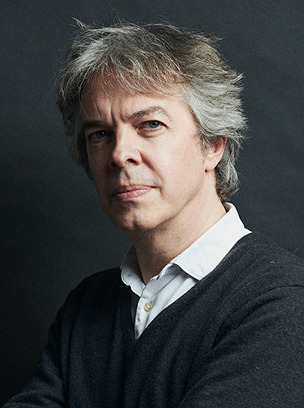
“Little by little, as I studied medicine, I discovered the beauty of biology, and particularly of immunology,” he recalls.
That discovery would shape a career spent moving between research, medicine and teaching. At Henri Mondor Hospital, Lelièvre worked on the mechanisms behind lymphocyte destruction, regeneration and immune disruption in HIV. He wanted to understand how immune modifiers, or immunomodulators, could be used to treat HIV beyond antiretroviral therapy.
This led him toward therapeutic vaccination strategies, then prophylactic vaccines, and later to vaccines against other emerging diseases, including Ebola and Covid-19.
Today, Lelièvre holds three closely connected roles. He teaches, conducts research and cares for patients as a clinician. His specialty is in clinical immunology, with a particular focus on infectious diseases.
In practice, this means seeing patients with HIV and adult primary immunodeficiencies, while also leading clinical research within the Vaccine Research Institute, where teams are developing new vaccines against a range of pathogens.
For Lelièvre, immunology is no longer a narrow specialty, but it is increasingly becoming a way to understand medicine itself.
“Everyone does immunology without knowing it,” he says.
His point is that immunology today appears in fields once considered far removed from it. Fatty liver disease, for example, is linked to inflammation. Psychiatry and neurodegenerative diseases are increasingly being examined through biological and inflammatory mechanisms. Covid-19, although triggered by an infectious agent, became in severe cases a disease treated largely through immunomodulation. Vaccination itself, he notes, is immunology in action.
“Immunology is a key to understanding a huge number of diseases,” he says. “Why? Because immunology is the response to the other, the response to an external agent. So inevitably, it is involved in a huge number of diseases.”
This broader view of immunology is also what drew him to MIB. Lelièvre sees value in looking beyond one’s own field, especially as immunology increasingly connects infectious diseases, oncology, inflammatory diseases, rheumatology and other areas of medicine.
That matters because immunology is advancing quickly, and not always in predictable ways.
In oncology, immune checkpoint inhibitors transformed the treatment of cancers once approached with a largely non-immunological mindset. In inflammatory diseases, targeted antibodies against inflammatory cytokines have replaced, in some cases, broader immunosuppressive approaches such as corticosteroids, reducing side effects and improving quality of life.
Making immunology more accessible
Yet despite this growing impact, Lelièvre insists that immunology remains misunderstood. One of the clichés surrounding the field, he says, is that it is too complex to be accessible.
His view is that immunology is difficult at first for students, but not obscure. Once the basic elements are understood, it becomes “a form of Lego,” a construction game in which the blocks gradually begin to fit together.
The challenge, he argues, is communication.
“Immunology is misunderstood by the general public, by the media and even by many physicians,” he says. “The answer is to make the field more intelligible. You need simple messages. But you must not confuse simple messages with simplistic messages.”
For Lelièvre, this also means teaching the immune system earlier and better. Everyone is confronted with infectious diseases, cancer and inflammatory disorders. Understanding how the body defends itself should be part of basic education.
At MIB, he sees several major projects where immunology, technology and clinical medicine will need to converge. One is the future reduction in the use of animal models, which will require the development of in silico models, organoids and earlier experimental medicine studies in humans. Another is xenotransplantation, as the need for grafts grows while available organs remain limited.
Lelièvre also thinks that structures like MIB can help address concerns surrounding sovereignty. In a world where medicines and biotechnology are increasingly part of geopolitical competition, he believes France and Europe need to focus on turning scientific excellence into medical advances.
He strongly believes this is what makes MIB timely. Marseille has the scientific foundations, the clinical environment and the range of expertise needed to advance immunology across diseases. Its role is to bring those strengths together and help more of its discoveries become tomorrow’s medicines.
“Marseille Immunology Biocluster is particularly relevant because it is already in a very favorable ecosystem,” he says. “The scientific research in Marseille is exceptional.”
As Lelièvre puts it, MIB is the right initiative, in the right place.
Actualités