

SAB Voices: Erika Pearce – Reprogramming Immunity Through Metabolism
Home - Governance & Expertise - Communiqué de presse - Lancement MIB
Marseille, 29 September 2026 – Prof. Erika Pearce still remembers when immunology began to feel less like a subject and more like a revelation.
As a third-year undergraduate student, she enrolled in an immunology course with little prior exposure to the field beyond the everyday encounters most people have with medicine, such as doctor visits and vaccines. What she found was something far more complex, and far more compelling.
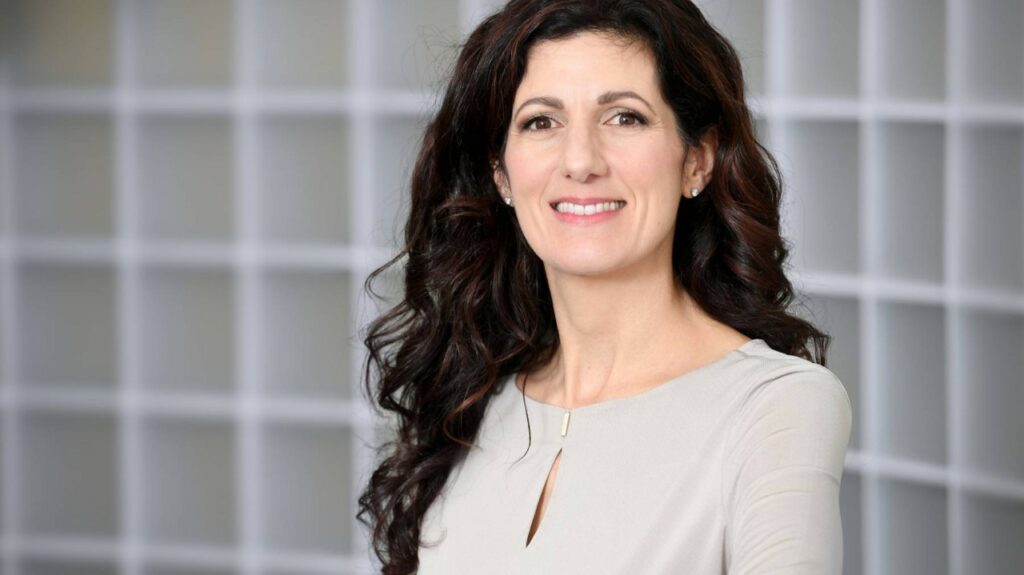
“I was fascinated,” she recalls. “It was like learning about aliens and something completely foreign, about how our immune system evolved to protect us against infection and also maintain health.”
Today, Pearce, a member of Marseille Immunology Biocluster (MIB)’s Scientific Advisory Board, still caries that sense of wonder as she leads a basic science laboratory focused on how immune cells use metabolism, and how those metabolic choices shape what immune cells become and what they do.
Her work sits at the crossroads of immunology, nutrition, cellular biology and disease. Immune cells respond to infection, cancer and inflammatory signals, but also to the nutrients and metabolites circulating through the body. For Pearce, that opens a broader way of thinking about immunity, as something that can be modulated and potentially reprogrammed.
Her path into this area of research came partly by accident. During her postdoctoral work at the University of Pennsylvania, she was investigating how metabolism could be modulated in CD8+ T cells. In the process, she found that changing those metabolic pathways could alter how T cells protected against cancer.
Pearce later moved to start her independent career at a small institute in upstate New York and then to Washington University in St. Louis, where she earned tenure. She went on to become a director at the Max Planck Institute in Germany before returning to the United States to establish her laboratory at Johns Hopkins University in Baltimore.
That global perspective sharpened her awareness of a persistent challenge in science: the distance between discovery and treatment. This is also one of the reasons she chose to join MIB’s Scientific Advisory Board.
“Many of us recognize that basic science discoveries and industry and actually developing new medicines and treatments for humans are very far apart,” she says. “One can’t exist without the other. Yet, there’s a big gap in the middle.”
Pearce sees fundamental research as the necessary starting point for translation, but not as something that can move alone. By connecting researchers with clinicians, hospitals, pharma and biotech, MIB can help build the connective tissue that is often missing between an idea in the lab and a therapy for patients.
“That sort of effort and investment is the only way we’re going to be able to move basic discoveries into life-changing treatments for patients,” Pearce says.
Beyond on on-off switch
For Pearce, the challenge is also conceptual. One misconception she sees in immunology is the idea that immune cells can simply be turned up or shut down, activated or suppressed. That framing, she argues, no longer captures the complexity of the field.
Instead, she points to the growing importance of reprogramming, which involves understanding how immune cells can be carefully modulated at the right moment, in the right context, and in the right tissue environment.
Metabolism, in that context, becomes a possible lever. If metabolic pathways help determine how immune cells behave, then targeting those pathways could offer new ways to shape immunity in cancer, inflammatory disease, autoimmune disease and beyond.
She thinks that one of the most exciting shifts in immunology is precisely this move away from blunt intervention toward more refined control.
“What is exciting to me about immunology is this realization that it’s not just an on-off,” she says. “Now I think we’re really beginning to understand the idea of reprogramming the immune system.”
That shift could eventually make immunology more precise as well as more personal.
Because metabolism is shaped in part by the nutrients and metabolites available in the body, Pearce sees the possibility of future discoveries that could help scientists understand how immune function is influenced by the biological environment in which immune cells operate.
If researchers can better understand how metabolism shapes immunity, they may be able to design treatments that work with those pathways rather than around them.
Actualités