

Meet Chafik Hamdad, Life Sciences Research Engineer for B-SCREEN
Home - Governance & Expertise - Communiqué de presse - Lancement MIB
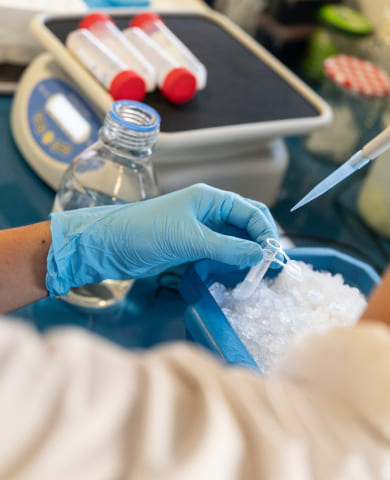
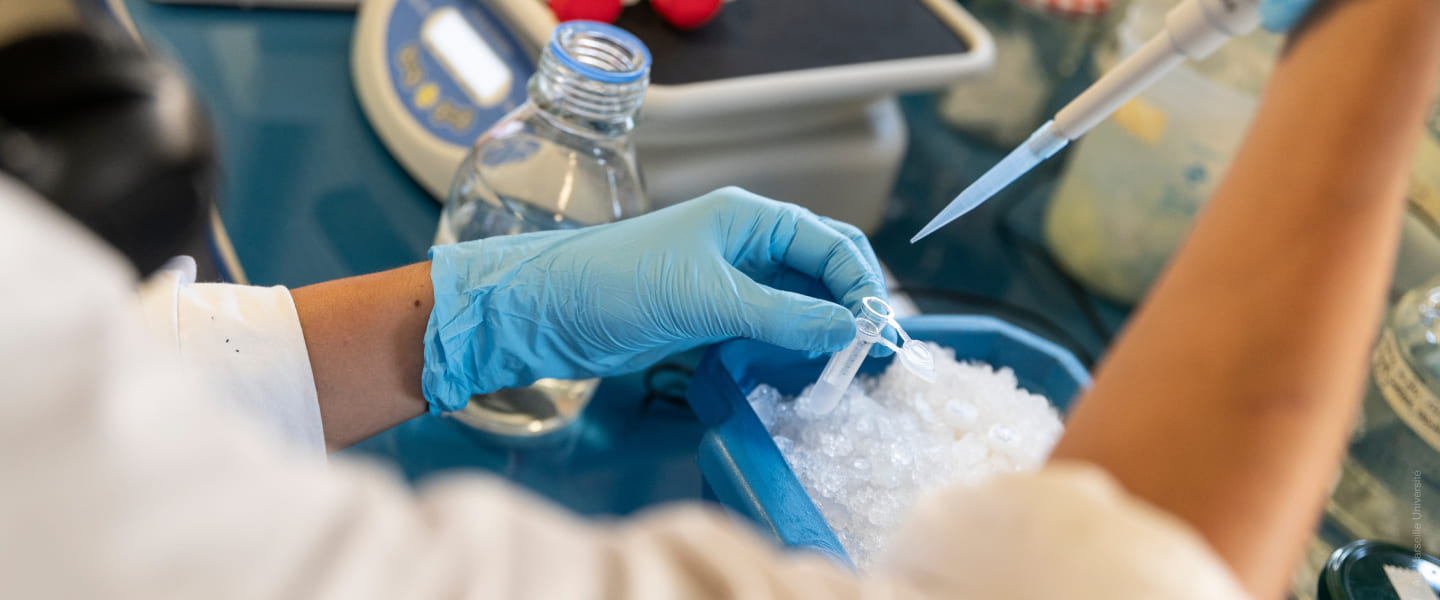
Within the B-SCREEN platform, Chafik Hamdad leverages his expertise in life sciences, biotechnology and biological data analysis to contribute to the identification of B cells and therapeutic antibodies from patient samples.
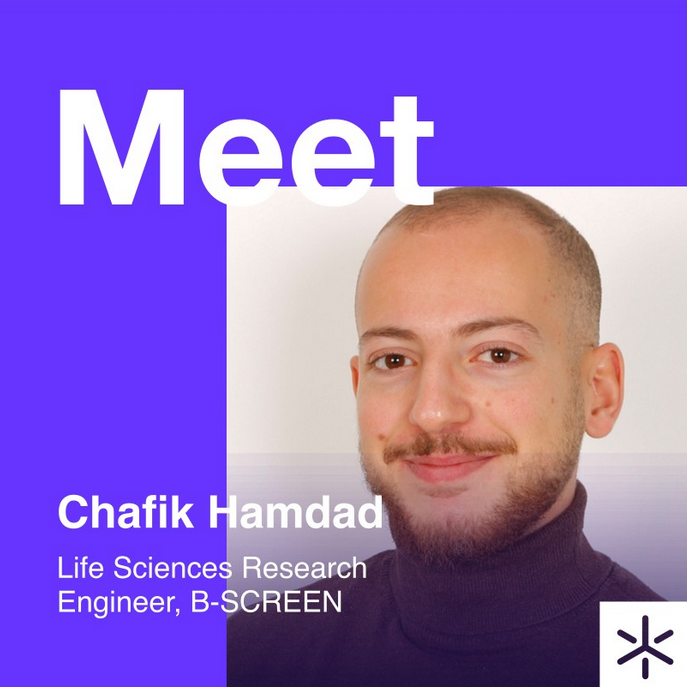
Marseille, June 25, 2026 – Chafik Hamdad has spent several years in biotechnology R&D, developing expertise in next-generation sequencing, cellular and molecular biology, immuno-oncology and biological data analysis. Trained at Lille University and later at HalioDx and Veracyte in Marseille, he has worked on in vitro diagnostic kit development, the automation of technological workflows and the implementation of bioinformatics pipelines to analyze data from complex patient samples. He recently joined MIB within B-SCREEN, a platform dedicated to identifying and characterizing B cells and therapeutic antibodies from patient samples.
What attracted you to B-SCREEN?
B-SCREEN sits at the intersection of high-throughput biotechnology and clinical reality. After several years spent developing in vitro diagnostics, I know that one of the major bottlenecks in precision medicine is the ability to identify therapeutic candidates quickly and accurately. B-SCREEN addresses this challenge by applying screening technologies directly to patient samples. Joining MIB was therefore a natural next step. It is an ecosystem where I can combine my experimental expertise with my bioinformatics skills to contribute to the discovery of next-generation therapeutic antibodies.
Why is this approach so promising for immunology and precision medicine?
It allows to start directly from human biology. By analyzing B cells from patients with particularly interesting immune responses, we can identify signatures, repertoires and antibodies that reflect the true diversity of the immune system. Single-cell analysis helps us better understand this diversity and identify highly targeted candidates. Over time, this approach could contribute to the development of more precise treatments in oncology, infectious diseases and autoimmune diseases.
What are you optimistic about when it comes to the future of immunology?
The convergence of multi-omics data, automated screening and artificial intelligence is opening major possibilities. We can now extract from a single patient sample a volume and resolution of data that would have been unimaginable just a few years ago. We are gradually moving away from trial-and-error medicine toward a more predictive, programmable immunology, able to better anticipate responses and guide treatments.
Partager
Actualités